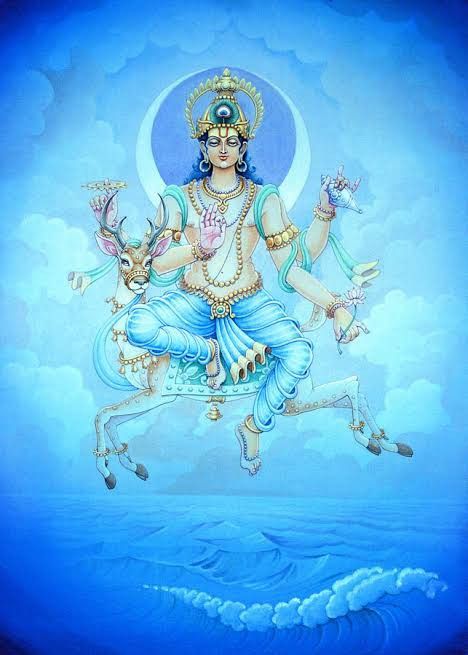
Kasturi, also known as musk, is a rare, sacred, and highly fragrant substance traditionally obtained from the navel gland of the musk deer. In ancient Indian scriptures and Ayurvedic texts, it is revered as one of the finest aromatic materials and is known by several names such as Mriganabhi, Mrigamada, Mrigi, Vatamoda, Yojanagandhika, Kasturika, Kalangi, Gandhapishatika, and Surabhi. The word “Mrigamada” literally means “the divine fragrance of the deer,” symbolizing its enchanting and long-lasting aroma that can spread over great distances.
Historically, Kasturi was found mainly in the Himalayan regions, especially in Nepal, Kashmir, and Kamrupa (ancient Assam). Traditional texts classify Kasturi into three varieties — Kapila, Pingala, and Krishna. Among these, the dark-colored Krishna Kasturi of Kamrupa was considered the finest and most superior because of its deep, rich fragrance. The bluish Kasturi of Nepal was regarded as medium in quality, while the tawny-colored Kasturi of Kashmir was considered comparatively inferior.
Ancient scholars described authentic Kasturi through its unique qualities. True and superior Kasturi was believed to possess such a powerful aroma that it could overpower even the fragrance of the Ketaki flower. Another traditional method of testing its purity was by placing it in fire — genuine Kasturi emitted a smell similar to burnt leather when heated. Because of its extraordinary fragrance and rarity, Kasturi was not only valued in perfumery but also held an important place in Ayurveda, Tantra, and temple rituals. Ayurvedic practitioners considered it a rejuvenating and energizing substance beneficial for the heart and mind.
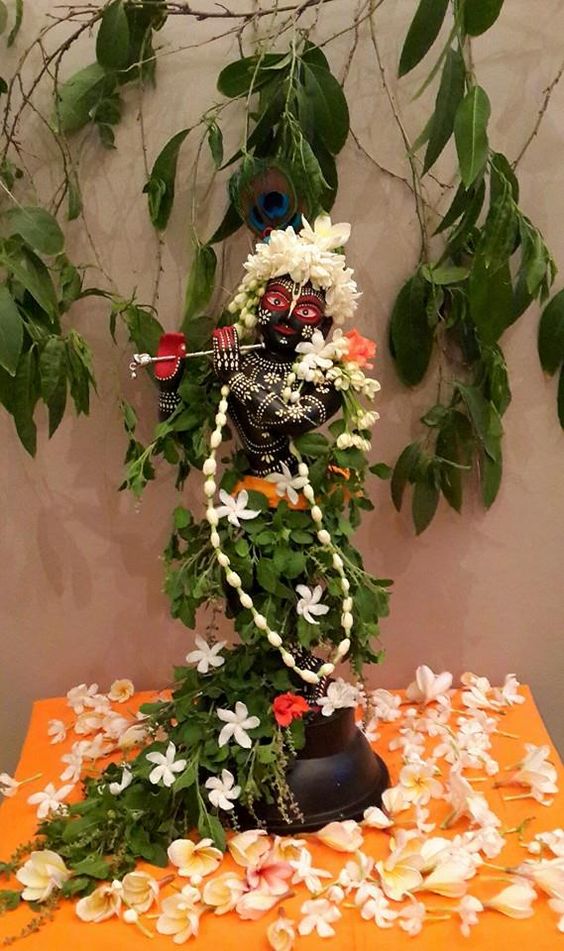
In the sacred traditions of the Jagannath Temple of Puri, Kasturi holds immense ritualistic and spiritual importance. It is regarded as a divine fragrance offered to the deities during special rituals and sacred adornments. Every Wednesday or Thursday, after the Dwiprahara Dhupa ritual, Kasturi is used in the famous Banakalagi ritual of the temple. Banakalagi is a sacred ceremonial decoration in which the divine forms of Lord Jagannath, Lord Balabhadra, and Devi Subhadra are adorned with fragrant substances, herbal colors, and sacred materials to renew and beautify their appearance. The addition of Kasturi enhances the divine aura and spiritual beauty of the deities.
Apart from the weekly Banakalagi ritual, Kasturi is also used during the Anasara period, the sacred phase when the deities remain in seclusion after the Snana Yatra due to divine illness. During this time, various traditional herbal and aromatic substances, including Kasturi, are applied to the deities as part of their secret healing rituals. Kasturi also plays a role during the grand Nabakalebara ceremony, the rare and sacred ritual in which the wooden idols of the deities are ceremonially renewed.
Thus, Kasturi is not merely a fragrant substance in the Jagannath tradition; it symbolizes divinity, purity, sacred beauty, and spiritual bliss. Its aroma is believed to create a devotional atmosphere filled with sanctity and divine presence, making it one of the most cherished sacred substances in the rituals of the Shree Jagannath Temple.