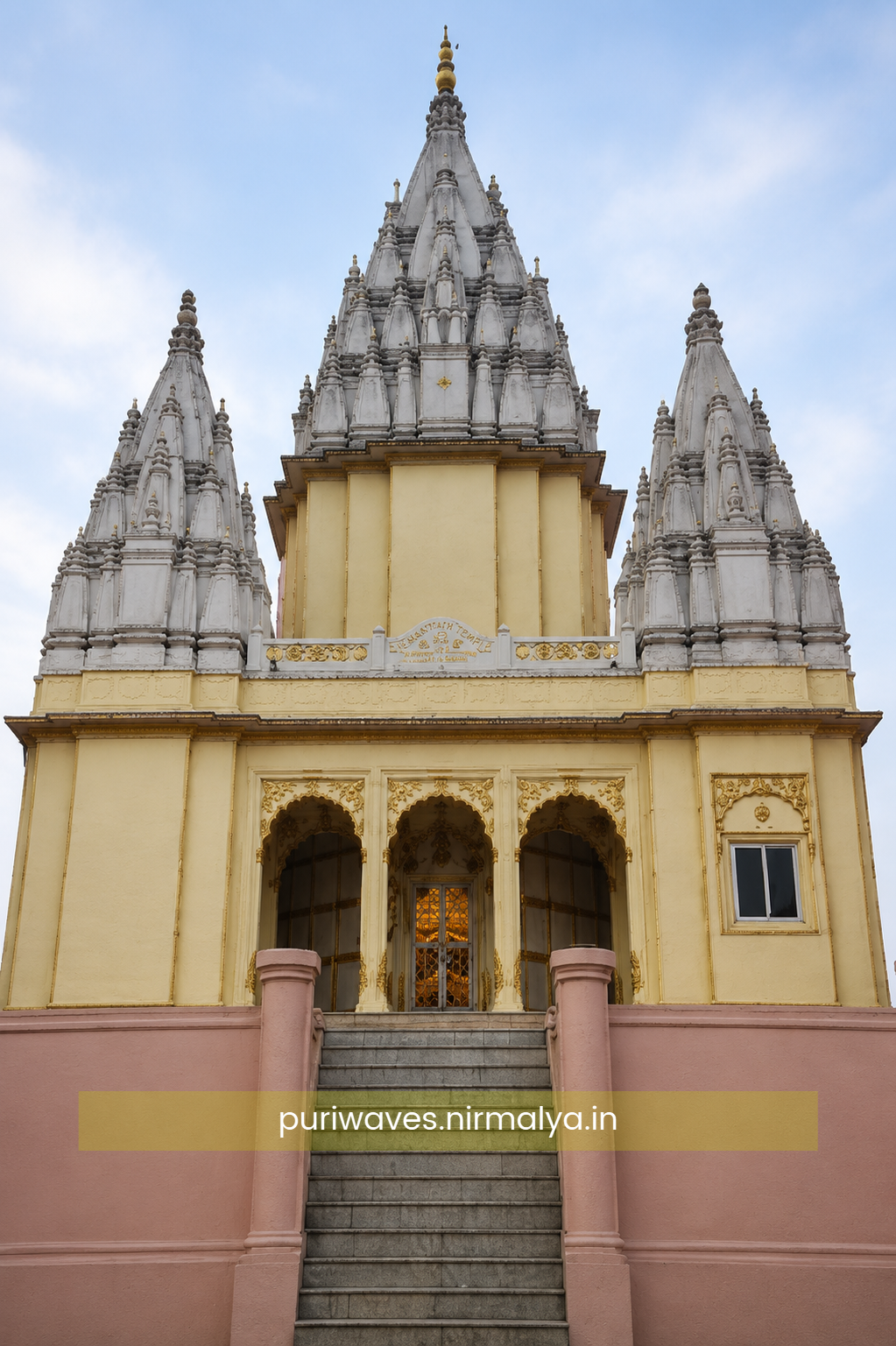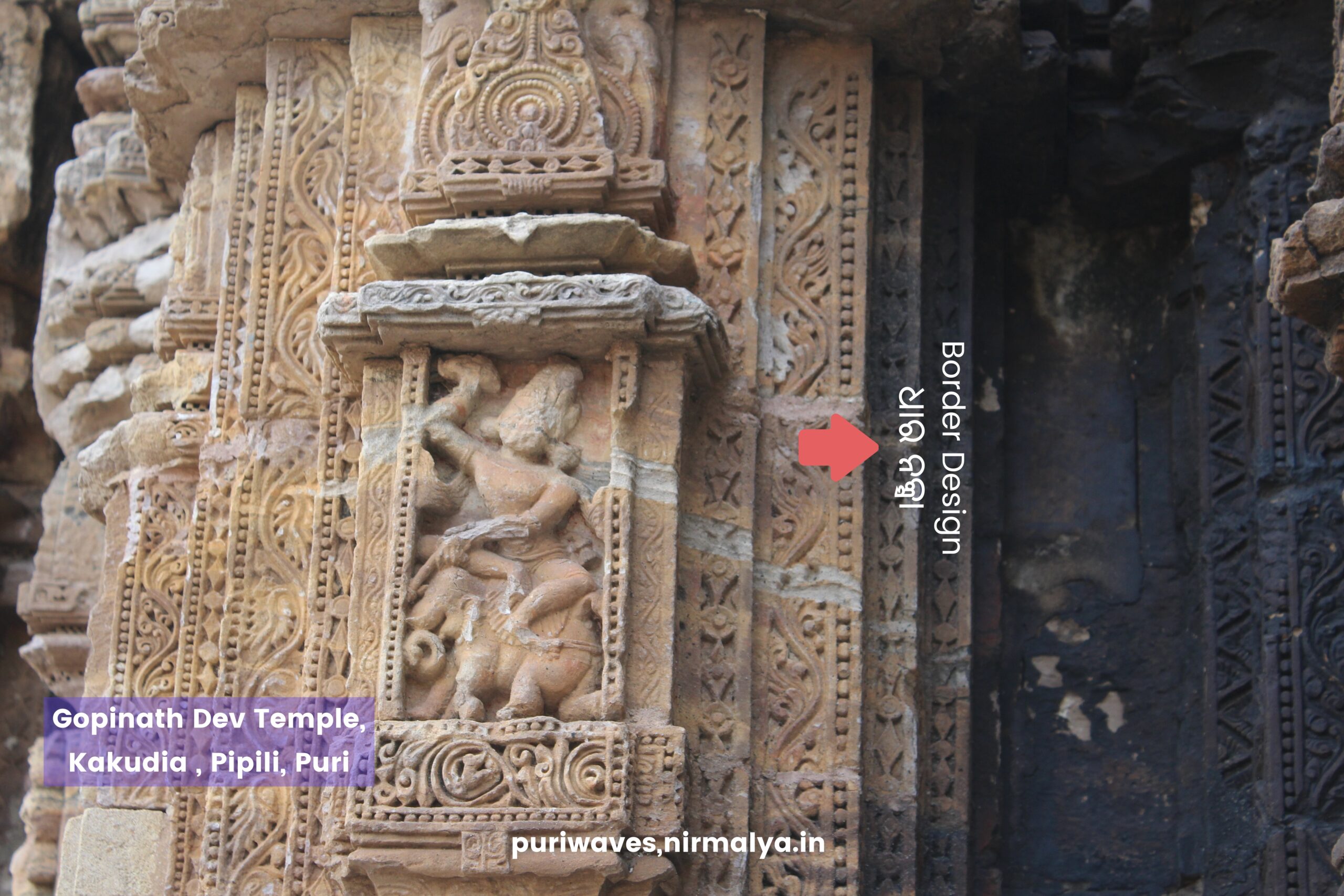
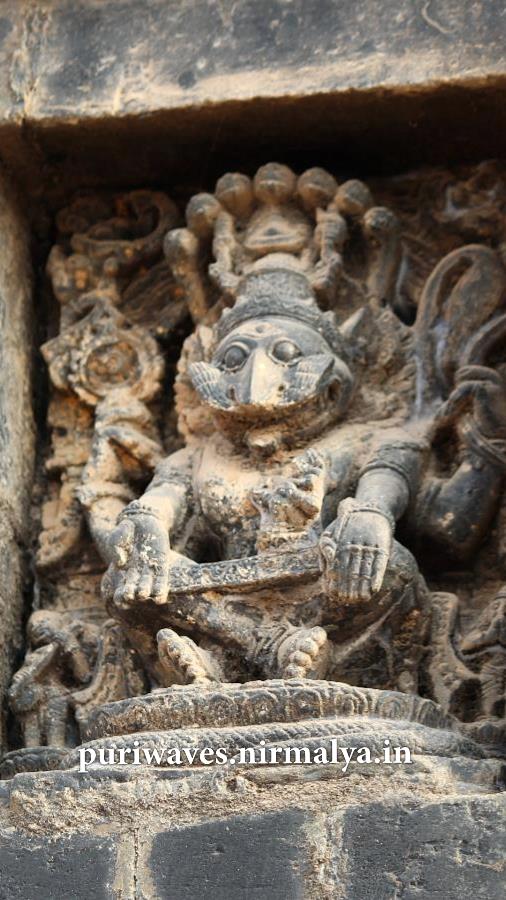
In the vibrant tapestry of Hindu mythology and religious practices, the worship of Lord Jagannath stands as a beacon of spiritual devotion and cultural significance. Nestled within the sacred precincts of Shrikhetra, the abode of Lord Jagannath, lies a profound reverence for Lord Nrusingh, a deity whose presence resonates deeply within the sanctum of the Jagannath Temple.

The worship of Lord Nrusingh holds a paramount position in the rituals and traditions observed in Shrikhetra. It is believed that the mantra of Nrusingha is regarded as foremost among the chants that echo through the hallowed halls of the temple. This divine manifestation finds its roots in the rich tapestry of Hindu mythology, where Lord Jagannath is often identified with Nrusingh, as scripted in the Vishnu Sahasranama where he is hailed as “Narasingh Bapu Shriman Kesabah Purushottam.“.
It seems like you’re describing various forms and manifestations of the deity Nrsingh (also spelled as Narasimha or Nrusingh) and his associations with different temples. Nrsingh is a significant deity in Hindu mythology, particularly known as the fourth avatar of the god Vishnu. Here’s a breakdown of the different forms and temples you mentioned:
- Singhdwar Gumuta: This likely refers to a place associated with the worship of Nrsingh.
- Avaya Nrusingh temple at Baisi Pahacha: A temple dedicated to Nrsingh located at Baisi Pahacha.
- Nrusingh Temple (Kalki Avatar): This temple may depict Nrsingh in his Kalki Avatar form, which is believed to be a future incarnation of Vishnu.
- Purana Nrusingh Temple: A temple dedicated to Nrsingh as described in ancient scriptures.
- Narasimha Nath temple: A temple where Nrsingh and Srilakshmi (Lakshmi) are adorned.
- Narasimha temple: Another temple dedicated to Nrsingh, where he is associated with Lakshmi.
- Jagmohan: The inner sanctum of a temple where the main deity is placed.
- Khamba Nrusingh: Possibly a form of Nrsingh associated with a specific pillar or structure in the temple.
- Bhogmandap: A place within the temple where offerings are made to the deity.
- Lakshmi temple: A temple dedicated to the goddess Lakshmi, where Nrsingh is also worshipped.
- Badi Nrusingh and Dakshin Ghar (Bijpratima Ghar): These may be different areas or shrines within the temple complex where Nrsingh is worshipped.
- In the inner enclosure of Sakshi Gopal Temple, a shrine called the Mandani Ghar located beside it houses the idol of Lord Narasimha.
- Near the western gate, beside the Kanapata Hanuman Temple, Lord Narasimha is enshrined in a small chamber.
Central to the ethos of Jagannath worship is the concept of protection, with Lord Nrusingh revered as the guardian and protector of the Shrimandir, the main temple housing the deity. His presence is not confined to a single shrine but permeates through various facets of the temple complex, symbolizing his omnipresence and omnipotence.
At Shrikhetra, devotees encounter the divine visage of Lord Nrusingh in myriad forms and manifestations. From the tranquil environs of the Avaya Nrusingh temple at Baisi Pahacha to the resplendent adornments within the Narasimha Nath temple, his presence is palpable and profound. Within the inner sanctum of Jagannath Temple, Lord Nrusingh stands sentinel, his divine gaze unwavering, near Bhogmandap and Khamba Nrusingh, evoking a sense of awe and reverence among pilgrims and seekers alike.
Moreover, the worship of Lord Nrusingh extends beyond the confines of the Jagannath Temple, with various shrines and temples dedicated to him scattered across Shrikhetra. Chakra Narasimha, Adi Narasimha, and Ugra Narasimha, each occupying a distinct cardinal direction, serve as embodiments of his divine grace and omnipresence.